ForeverLawn® Indy
Why Summer Is the Ideal Season for Pet Turf Projects
Summer creates near-perfect conditions for K9Grass® summer installation. Warm temperatures accelerate ground drying after excavation, infill settles more evenly in the heat, and seam adhesives cure faster when ambient temperatures stay consistently above 60°F. For dog owners, summer also coincides with peak backyard use, meaning a completed installation immediately delivers a cleaner, mud-free outdoor space right when it matters most.
Indiana summers bring long daylight hours that give installation crews more working time per day, reducing the overall project timeline. Homeowners who schedule during June or July often see their projects completed well before the late-summer heat peaks, giving the turf time to fully acclimate before fall.
Lessons from the Carmel K9Grass Installation
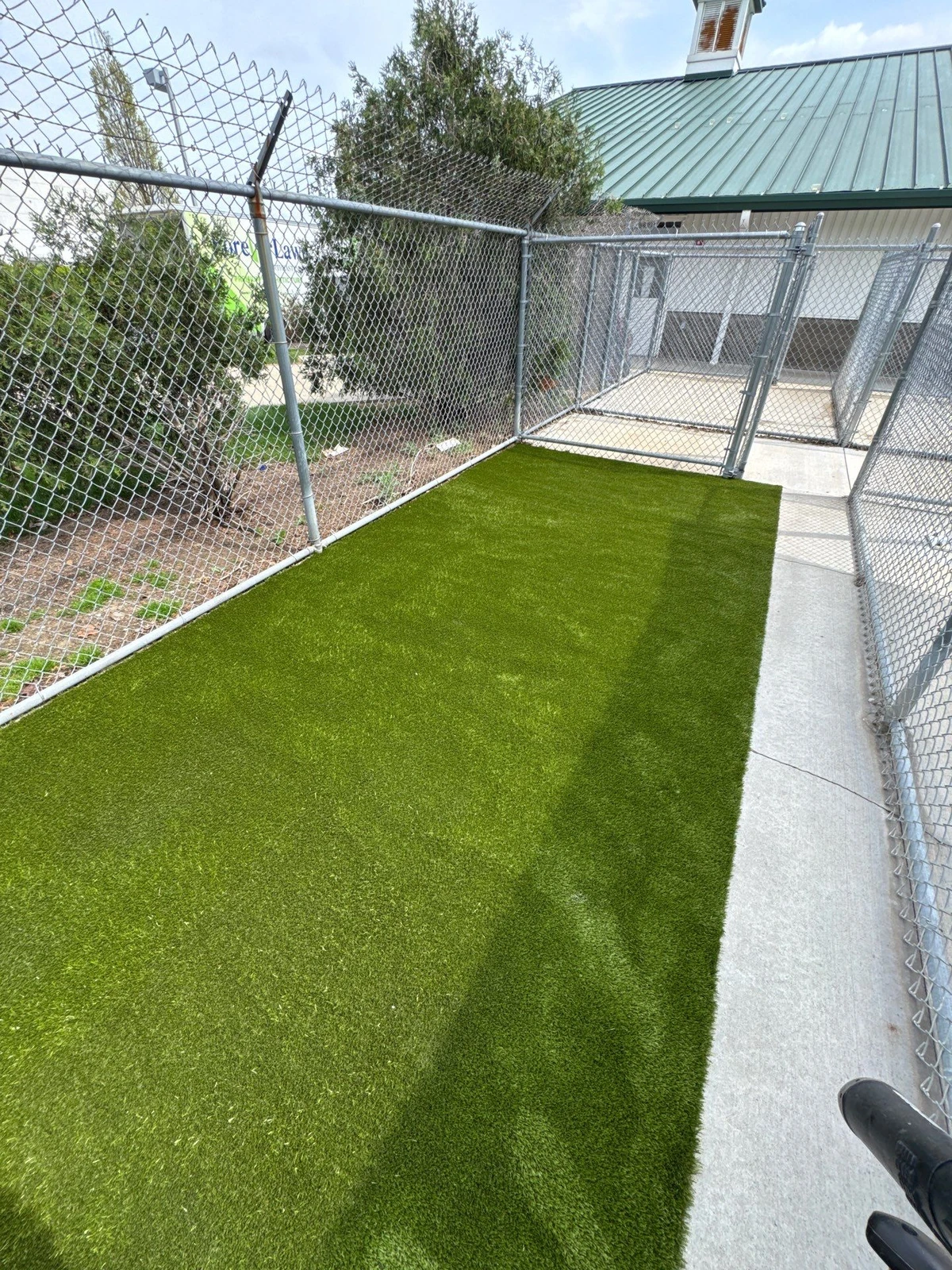
A recent K9Grass project completed in the Carmel, Indiana area demonstrated exactly how thorough summer planning pays off. The site involved a moderately sloped backyard shared by two large dogs, presenting both drainage and surface stability challenges. By addressing compaction issues during excavation and installing a crushed aggregate base layer before the turf went down, the crew ensured that heavy summer rain events would channel away from the surface rather than pool beneath it. The finished area gave the homeowners a consistently dry, odor-resistant play zone that held up through the rest of the summer without a single drainage complaint.
That project also highlighted the importance of scheduling installation during a dry weather window. Even a brief rain event mid-installation can delay base compaction and push the project timeline back by a full day, so monitoring the forecast two weeks out is a standard part of summer project planning.
Ground Preparation: The Foundation of a Lasting Install
Proper ground preparation is the single most important variable in any K9Grass summer installation. The process begins with removing existing sod and organic material to a depth of three to four inches, depending on soil composition. Organic matter left beneath synthetic turf will decompose over time, creating low spots and uneven surfaces that compromise drainage and aesthetics.
After excavation, the subgrade is graded to a slope of at least one percent away from structures and toward natural drainage points. A compacted base of decomposed granite or crushed aggregate, typically two to three inches deep, is then installed and compacted with a plate compactor. This base layer does the heavy lifting for drainage, allowing liquid to pass through the turf backing and disperse quickly rather than sitting on top of the soil.
Drainage Considerations Specific to Summer
Indiana summers can deliver intense, short-duration rainstorms that drop significant rainfall in under an hour. A well-designed K9Grass drainage system must handle both pet liquid waste and storm runoff simultaneously. The perforated backing on K9Grass products is engineered to drain at rates far exceeding typical rainfall, but that performance depends entirely on the base beneath it remaining permeable and uncompacted over time.
In clay-heavy soils common across central Indiana, installers sometimes add a layer of weed barrier fabric between the soil and aggregate base to prevent clay migration into the drainage layer. This extra step adds modest cost but significantly extends the long-term drainage performance of the installation, particularly in areas with heavy pet traffic that can compress the base over years of use.
Timing Strategies for a Smooth Summer Project
Scheduling a K9Grass summer installation requires balancing weather windows, material lead times, and homeowner availability. Most experienced installers recommend booking in late May or early June to secure a spot before the peak summer rush. Material orders for K9Grass products can take one to two weeks depending on the specific product and roll size, so early booking prevents delays caused by inventory constraints.
Midweek installations tend to go more smoothly than weekend projects because suppliers and equipment rental companies are fully staffed, making it easier to address any unexpected material or tooling needs on the fly. Homeowners should also plan to keep dogs off the finished surface for at least 24 to 48 hours after installation to allow adhesives to fully cure in the summer heat.
Choosing the Right K9Grass Product for Summer Climates
K9Grass is available in several product lines, each engineered with specific pile heights, blade shapes, and drainage backing configurations. For high-traffic summer use in Indiana, products with a shorter pile height tend to perform better because they resist matting under repeated paw traffic and are easier to rinse clean. The unique flow-through backing that K9Grass is known for is standard across the product line, but higher-end variants offer additional antimicrobial treatments that become especially valuable during hot summer months when odor-causing bacteria multiply faster.
Understanding the differences between product tiers is an important part of the planning process. Homeowners with multiple large dogs or those planning to use the space for extended outdoor gatherings should discuss their usage patterns with their installer to match the right product to the actual demands of the space. For a closer look at how purpose-built pet turf compares to general landscape options, the artificial grass for dogs overview explains the key performance differences in detail.
Site Measurement and Material Estimation
Accurate site measurement before ordering materials prevents costly waste and mid-project shortages. K9Grass rolls come in standard widths, so the layout of a yard often determines how efficiently the material can be used. An irregular yard shape may require seaming multiple pieces together, and seam placement should always be planned away from high-traffic pathways where dogs run repeatedly, as those areas experience the most stress on seam bonds over time.
A professional site assessment typically includes measuring the area, identifying drainage outlets, locating underground utilities, and noting any existing landscaping that needs to be worked around. Getting this assessment done in early summer, even if installation is planned for later in the season, allows time to address any site complications before the installation crew arrives.
Post-Installation Care During Summer Heat
Newly installed K9Grass benefits from a light rinse within the first 48 hours to remove any installation dust and help the infill settle evenly. During peak summer heat, the turf surface temperature will be warmer than ambient air temperature, which is a normal characteristic of synthetic surfaces. Rinsing the surface with water on extremely hot days brings the temperature down quickly and makes the space more comfortable for pets and people alike.
Routine summer maintenance is minimal compared to natural grass: no mowing, no fertilizing, and no irrigation. Weekly rinsing of pet waste areas and occasional brushing of the pile to keep blades upright are the primary ongoing tasks. A properly installed K9Grass surface should show no signs of shifting, bubbling, or drainage issues through a full Indiana summer if the base preparation was executed correctly.
Gallery
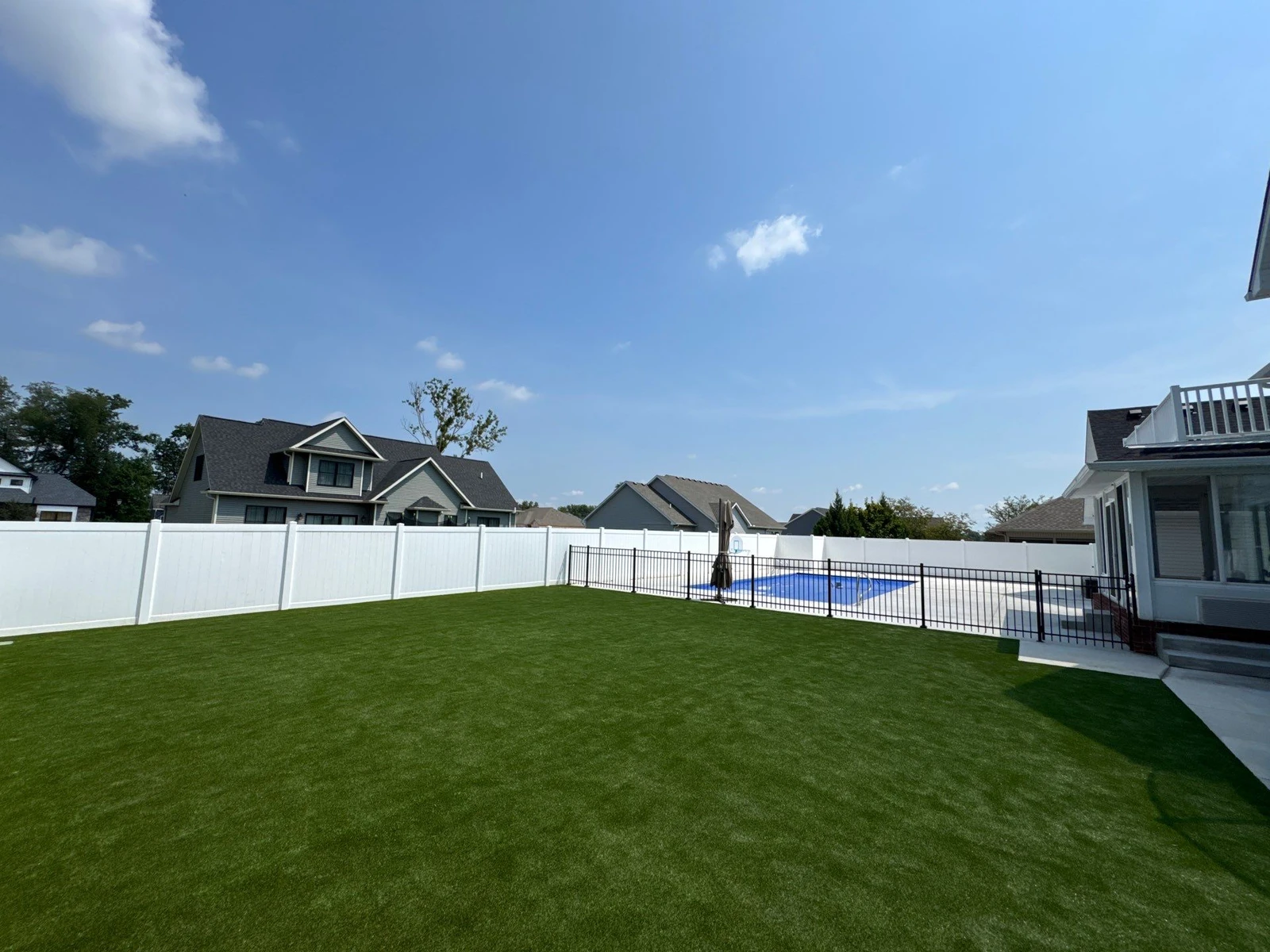
Here you can check out some of our completed projects from our portfolio of work.